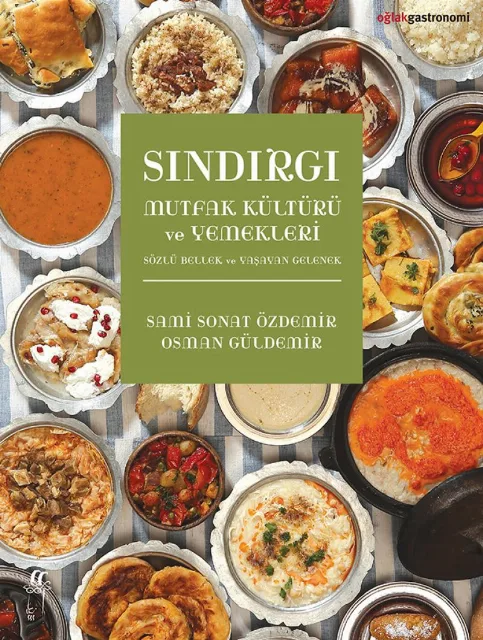
Culinary Culture and Dishes of the Eastern Anatolia Region/Authors: Sami Sonat Özdemir, Osman Güldemir
Gastronomy
Can a culinary culture be described solely through recipes?
Taking this question as its starting point, “Culinary Culture and Dishes of the Eastern Anatolia” brings to light the geography, labor, memory, and social relationships that lie behind the food. It traces a rich cultural heritage—spanning everything from the wild herbs of Mount Ulus to village ovens; from water mills to copper cauldrons; and from “tulum cheese” aged in wool sacks to “kertil” clay-pot stew, “keşkek”, “tarhana”, and “höşmerim”.
Shaped over centuries by Yörüks and immigrants from the Balkans and the Caucasus, Sındırgı cuisine tells the story not only of what is cooked but also of with whom, with what tools, amidst which rituals, and in what manner the food is shared. Tables set for weddings, religious holidays, charitable feasts, and funerals come back to life through the narratives of market traders, millers, restaurateurs, producers, and the invisible labor performed within the home.
Based on fieldwork, oral history interviews, local sources, and personal testimonies, this book documents production and sharing practices at risk of disappearing, while treating the Sındırgı table as a living cultural heritage. For every recipe carries a memory, every table represents a community, and every flavor embodies a way of life passed down from generation to generation.
More from This Exhibitor
Cultural Publications
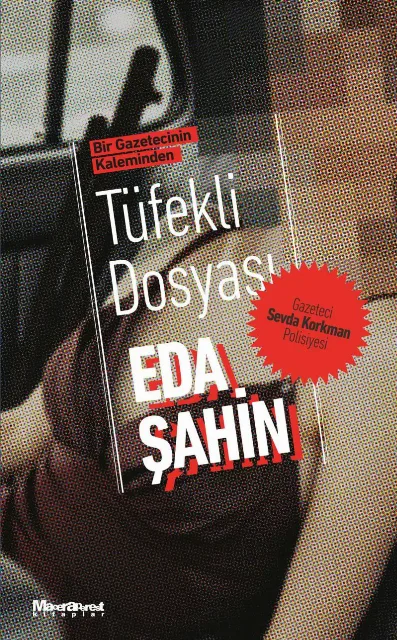
The Case File of the Man with a Gun: Written by a Journalist/Author: Eda Şahin
OĞLAK YAYINCILIK VE REKLAMCILIK LTD.ŞTİ.
Cultural Publications
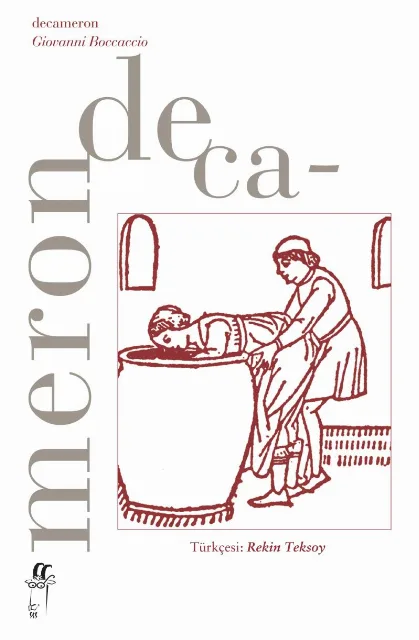
The Decameron/Author/Giovanni Boccaccio
OĞLAK YAYINCILIK VE REKLAMCILIK LTD.ŞTİ.
Cultural Publications
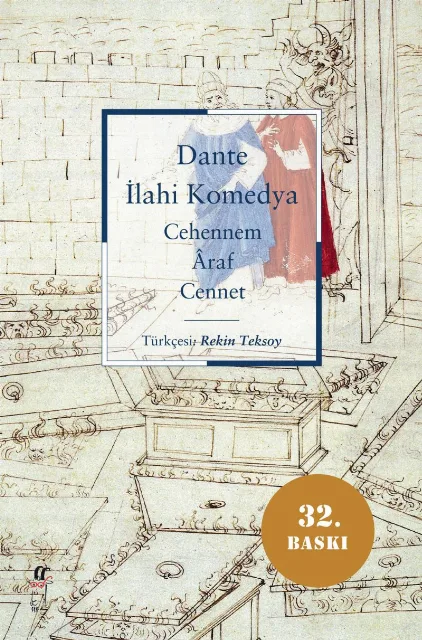
The Divine Comedy Hell-Purgatory-Paradise/Author: Dante Alighieri
OĞLAK YAYINCILIK VE REKLAMCILIK LTD.ŞTİ.