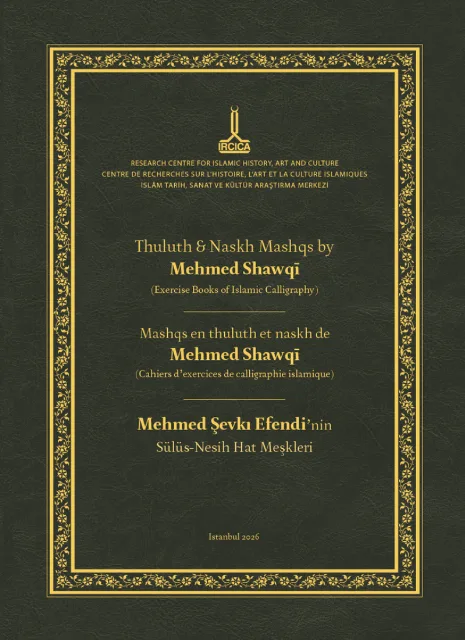
The Thuluth & Naskh Mashqs by Mehmed Shawqi: Exercise Books of Islamic Calligraphy
IRCICA published the third, revised and enlarged edition of Mehmed Shawqi Efendi’s (1829-1887) calligraphy worksheets ( mashqs ) for the thuluth and naskh styles. The first edition, dated 1999, was prepared by IRCICA in its capacity as the Secretariat and Executive Organ of the OIC International Commission for the Preservation of Islamic Cultural Heritage – ICPICH and published by ICPICH. The second edition was published in IRCICA’s art book series, in 2010, after the merger of ICPICH and IRCICA in 2000. The book is in high demand among calligraphers wishing to hone their talents. It is also highly valued by appreciators of this art. The edition contains facsimile copies of the worksheets, with explanatory annotations. It begins with instructive texts by Prof. M. Uğur Derman about the teaching of calligraphy, its methods and procedures, Mehmed Shawqi’s activities, and the exercise books he prepared for his pupils.
Mehmed Shawqi received his training in calligraphy in Istanbul starting from a young age, learning thuluth, naskh, and riqa from his uncle Mehmed Hulusi Efendi (d. 1874), and obtained his ijaza at the age of twelve. Perfecting his skills over the years, he invented a style of his own inspired by great calligraphers, including Hafız Osman (d. 1698) and Mustafa Rakım (d. 1826), which came to be known as the “Shawqi School.” He taught calligraphy in the government school which trained military scribes and also gave private lessons to student groups, while his principal job was at the Secretariat of the Ministry of War. He calligraphed twenty-five Mushafs, as well as a great number of prayer books.
The publication contains his mashq related to mufradat (exercises on single letters) and murakkabat (exercises on combinations of letters) reproduced from its original preserved in the Library of Topkapı Palace Museum, followed by the mashq for murakkabat and the Qasida al-Alfiyya worksheet reproduced from the Ekrem Hakkı Ayverdi collection preserved in the Kubbealtı Academy Culture and Art Foundation, Istanbul. The final section presents al-Hilya al-Nabawiyya al-Sharifa (description of the sublime characteristics of the Prophet Muhammadsaw) prepared as a mashq for murakkabat by Mehmed Shawqi, who gave importance to learners’ practicing with this text, also reproduced from its original preserved in the Library of Topkapı Palace Museum.
More from This Exhibitor
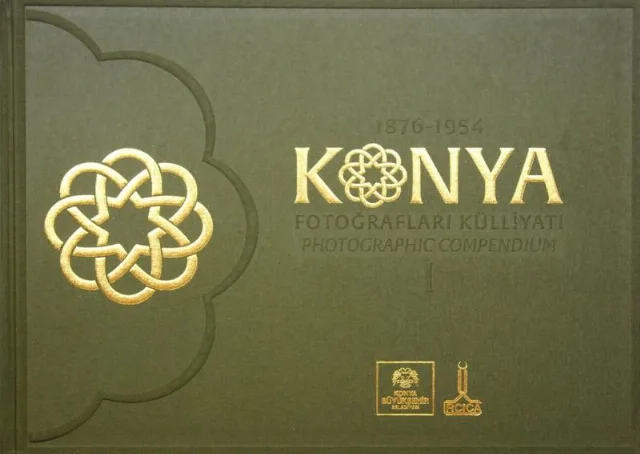
Cultural Publications
1876-1954 Konya Photographic Compendium
İSLAM TARİH SANAT VE KÜLTÜR ARAŞ. MERK. (IRCICA)
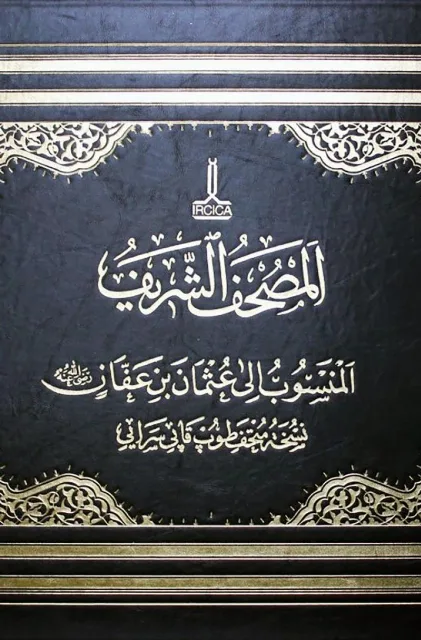
Second-hand Book Publications / Rare Books
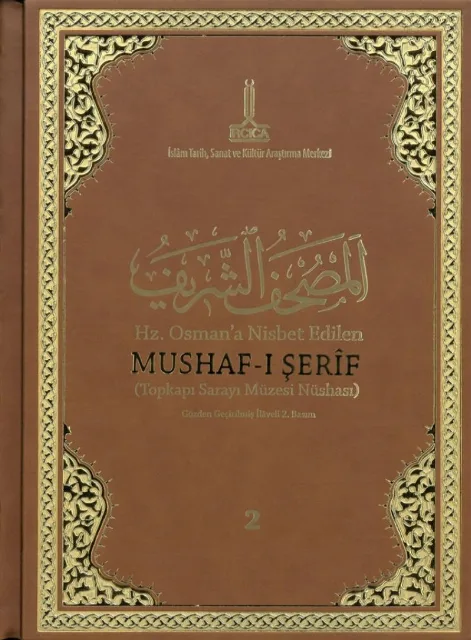
Al-Mushaf Al-Sharif Attributed to Uthman bin Affan (The copy at the Topkapı Palace Museum)
İSLAM TARİH SANAT VE KÜLTÜR ARAŞ. MERK. (IRCICA)
Second-hand Book Publications / Rare Books
Al-Mushaf Al-Sharif Attributed to Uthman Bin Affan (The Copy at Topkapı Palace Museum in Istanbul)
İSLAM TARİH SANAT VE KÜLTÜR ARAŞ. MERK. (IRCICA)
Cultural Publications
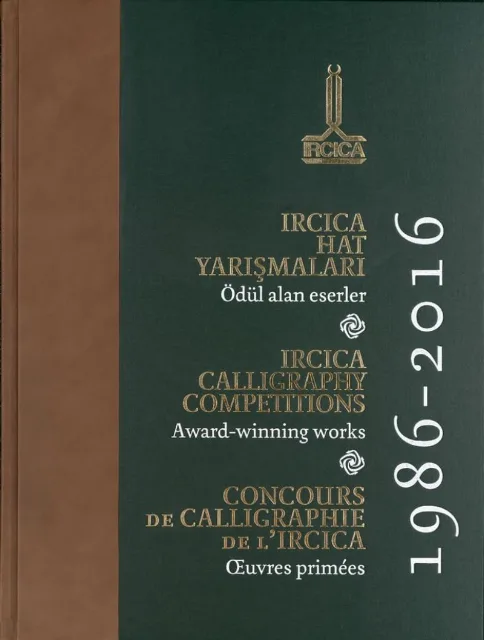
IRCICA Calligraphy Competition Award-winning works 1986-2016 (Standard-size edition)
İSLAM TARİH SANAT VE KÜLTÜR ARAŞ. MERK. (IRCICA)
Similar Products
Education And Resource Publications
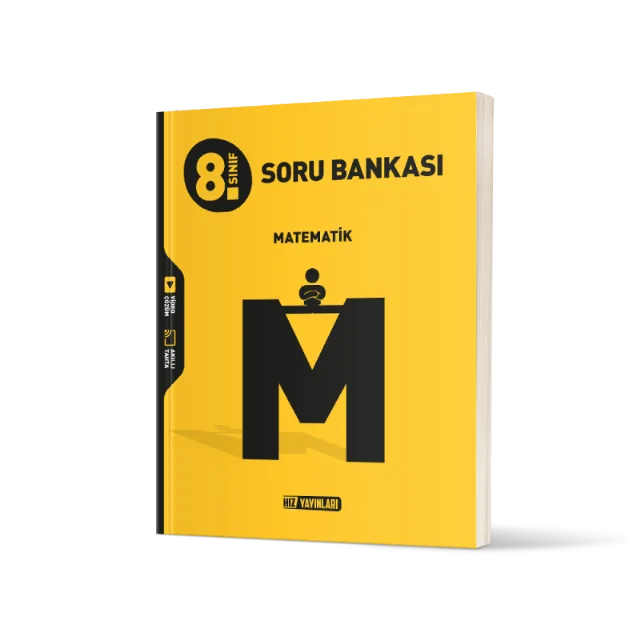
8th Grade Math Test Book
HIZ YAYIMCILIK BASIM DAĞITIM SAN VE TİC A.Ş.

Education And Resource Publications
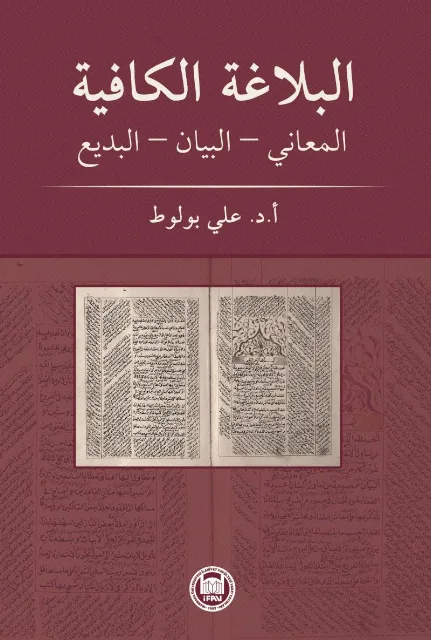
El-Belâgatü'l-Kafiye Meânî – Beyân – Bedî‘
M. Ü. İLAHİYAT FAKÜLTESİ VAKFI MATBAACILIK YAYINCILIK VE TİCARET İŞLETMESİ