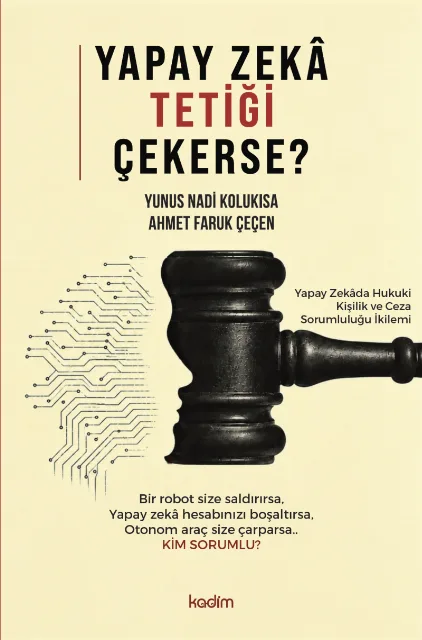
If Artificial Intelligence Pulls the Trigger
It is time to challenge our conventional assumptions about artificial intelligence. AI is no longer merely a tool. Particularly when it comes to the law, the time may have come to put artificial intelligence in the defendant’s dock. Some even argue that AI could serve not only as a perpetrator but also as a witness or decision-maker. This book invites readers to reconsider fundamental legal concepts such as legal personhood, will, culpability, causation, and responsibility.
If artificial intelligence pulls the trigger, who will be held responsible? The developer of the system, the user, the supervisor, or the AI itself, which is becoming increasingly capable of making autonomous decisions? The book explores these questions from a broad perspective, ranging from the technical foundations of artificial intelligence and debates over legal personhood to criminal law, criminal procedure, private law, and communications law.
What should the law do when the inexplicable decisions of black-box systems threaten the right to a fair trial, when algorithmic bias violates the prohibition of discrimination, or when deepfakes enable identity theft?
Written for lawyers, judges, academics, law students, and policymakers, this comprehensive guide argues that just as artificial intelligence can transform the law, the law can also shape artificial intelligence.
Artificial intelligence may challenge established legal assumptions about personhood, will, and responsibility, but it cannot eliminate the pursuit of justice.
More from This Exhibitor
Cultural Publications
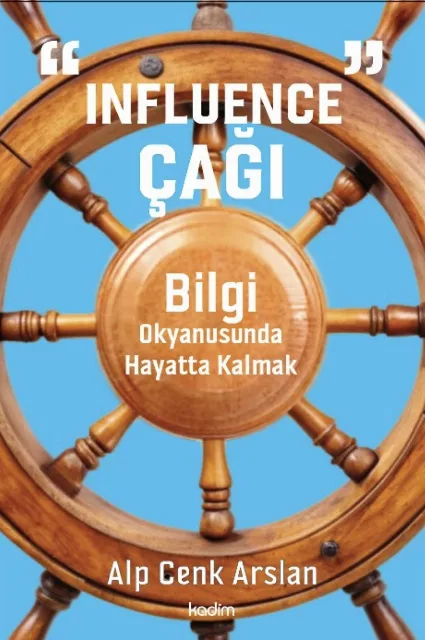
The Age of “Influence”: Surviving in an Ocean of Information
ENDERUN TANITIM HİZMETLERİ ORG. YAPIM BASIN YAYIN MEDYA TURİZM SAN. VE TİC. LTD. ŞTİ

Cultural Publications
The Zionist Occupation in the Light of Archival Documents (1870–1948): A Century of Planning, Occupation, and Resistance in Palestine
ENDERUN TANITIM HİZMETLERİ ORG. YAPIM BASIN YAYIN MEDYA TURİZM SAN. VE TİC. LTD. ŞTİ
Cultural Publications
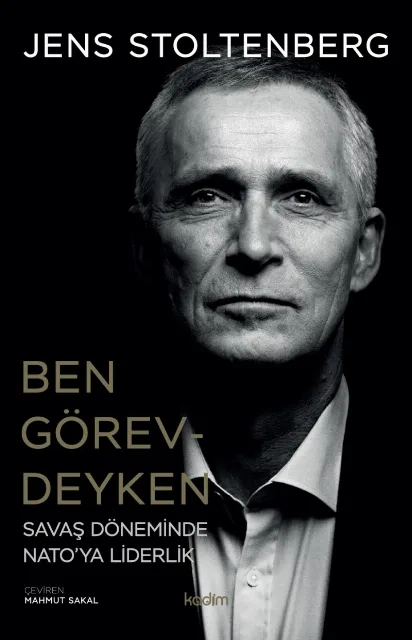
ON MY WATCH
ENDERUN TANITIM HİZMETLERİ ORG. YAPIM BASIN YAYIN MEDYA TURİZM SAN. VE TİC. LTD. ŞTİ
Cultural Publications
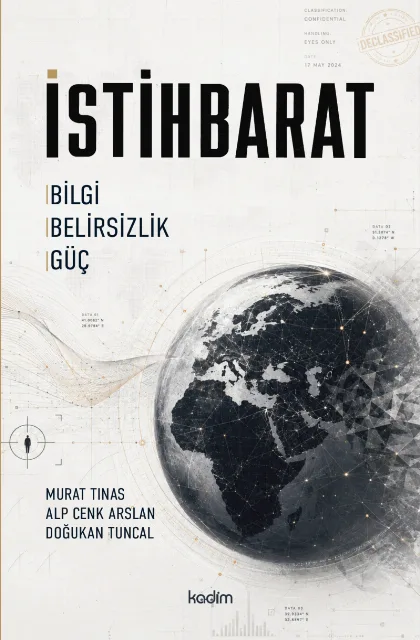
Intelligence Knowledge, Uncertainty, Power
ENDERUN TANITIM HİZMETLERİ ORG. YAPIM BASIN YAYIN MEDYA TURİZM SAN. VE TİC. LTD. ŞTİ