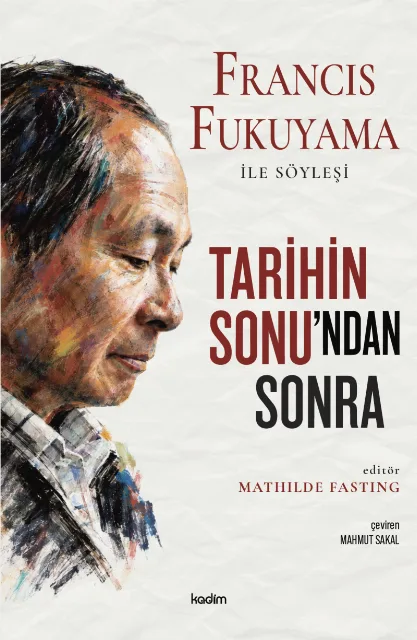
AFTER THE END OF HISTORY Conversations with Francis Fukuyama
In 1989, when Francis Fukuyama spoke of “the end of history,” the Cold War had not yet ended. The Berlin Wall fell a few months later. The Soviet Union collapsed. Liberal democracy appeared to have been left without a rival. Yet the more than three decades that followed have made the question Fukuyama raised far more challenging: Where is history really heading?
*After the End of History* reconstructs Fukuyama’s intellectual journey in his own words. In a series of extensive conversations with Mathilde Fasting, Fukuyama revisits his most controversial thesis, confronts the criticisms directed at it, and examines the challenges facing liberal democracy today. Why states grow stronger or fall apart, how institutions deteriorate, under what conditions populism rises, and how demands for identity and recognition transform politics are among the central themes of these conversations. From the rise of China to the problems of American democracy, and from capitalism to state capacity, the discussion returns to the fundamental question Fukuyama has carried from Hegel into the present: What makes a well-functioning political order possible?
This book offers a valuable resource for understanding how Fukuyama’s thinking has evolved over the years, which positions he has continued to defend, and which assumptions he has reconsidered. At the same time, it provides a serious assessment of the future of liberal democracy, avoiding both the easy optimism that overlooks its challenges and the comforting resignation of pessimism.
More from This Exhibitor
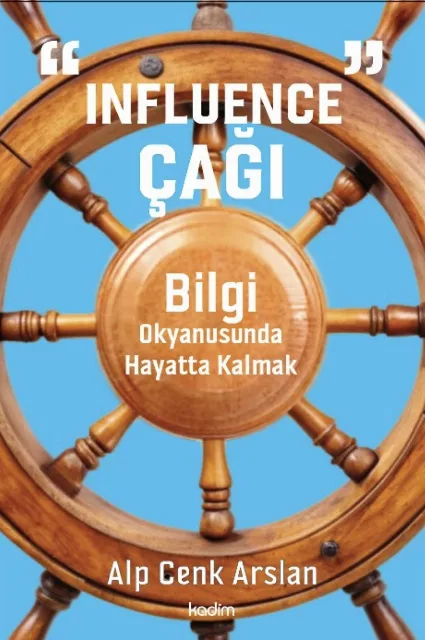
Cultural Publications
The Age of “Influence”: Surviving in an Ocean of Information
ENDERUN TANITIM HİZMETLERİ ORG. YAPIM BASIN YAYIN MEDYA TURİZM SAN. VE TİC. LTD. ŞTİ
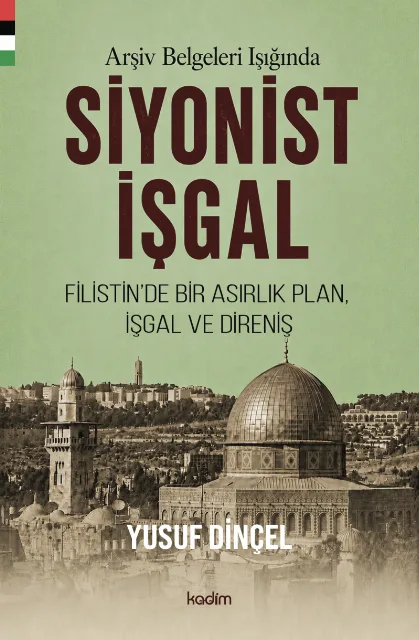
Cultural Publications
The Zionist Occupation in the Light of Archival Documents (1870–1948): A Century of Planning, Occupation, and Resistance in Palestine
ENDERUN TANITIM HİZMETLERİ ORG. YAPIM BASIN YAYIN MEDYA TURİZM SAN. VE TİC. LTD. ŞTİ
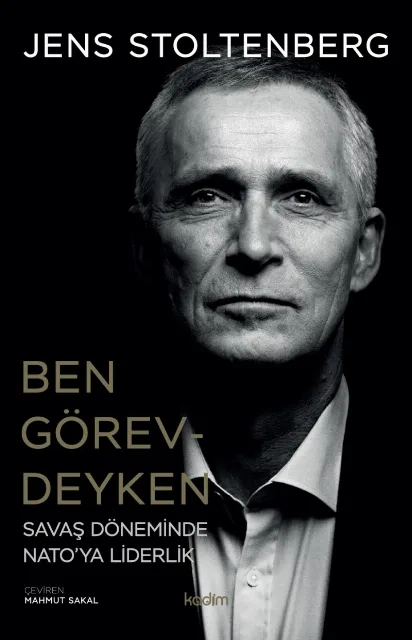
Cultural Publications
ON MY WATCH
ENDERUN TANITIM HİZMETLERİ ORG. YAPIM BASIN YAYIN MEDYA TURİZM SAN. VE TİC. LTD. ŞTİ
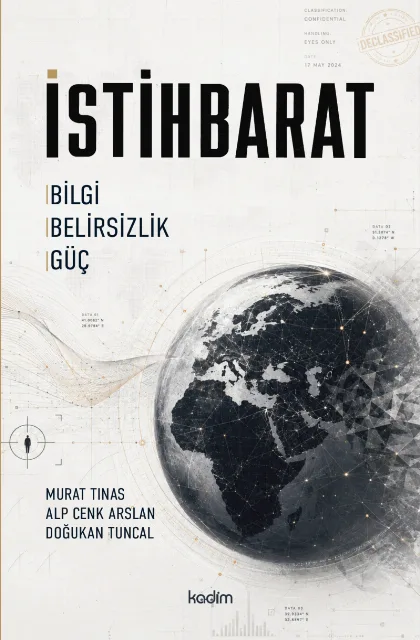
Cultural Publications
Intelligence Knowledge, Uncertainty, Power
ENDERUN TANITIM HİZMETLERİ ORG. YAPIM BASIN YAYIN MEDYA TURİZM SAN. VE TİC. LTD. ŞTİ