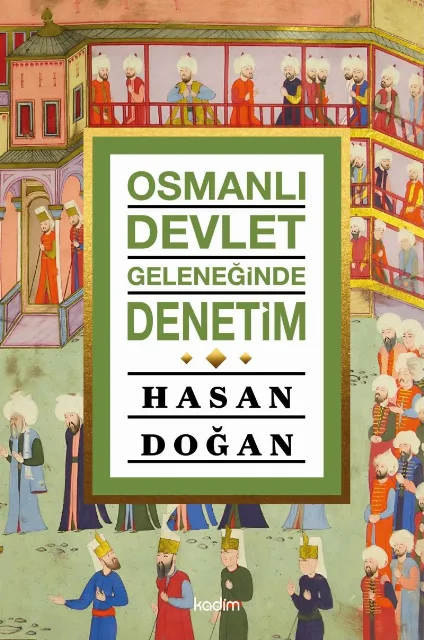
Oversight in the Ottoman State Tradition
The fundamental driving force that keeps the sense of justice alive is oversight.
When the sense of justice is undermined, individuals may come to regard committing crimes and engaging in misconduct as their right, leading to moral erosion and corruption within society. In societies where no system of oversight exists, or where oversight mechanisms are not operated effectively and in accordance with established procedures, public confidence in justice rapidly deteriorates.
Recognizing this reality, the Ottoman Empire sought to establish a strong administrative and judicial organization centered on the pursuit of justice by developing a distinctive legal system. To ensure the proper functioning of the system it had established, it devised effective mechanisms of control and oversight. In particular, institutions and regulations were introduced to ensure that administrators and judicial officials could be subjected to scrutiny when necessary, allowing the public to feel secure against all forms of oppression and injustice. Furthermore, measures were taken to safeguard the independence of those exercising judicial authority, both to ensure fair governance and adjudication and to maintain effective oversight. Surviving archival documents and historical records provide significant insights into the influence of the Ottoman emphasis on justice upon judicial independence.
This study examines the concept of oversight in the Ottoman state tradition, the regulations designed to reinforce it that can be evaluated within the framework of judicial independence, and selected examples of their practical implementation. Particular attention is devoted to *Mehayif inspections*, one of the institutional mechanisms intended to ensure justice through the examination and evaluation of judges (*kadis*) and court decisions within the Ottoman judicial system.
More from This Exhibitor
Cultural Publications
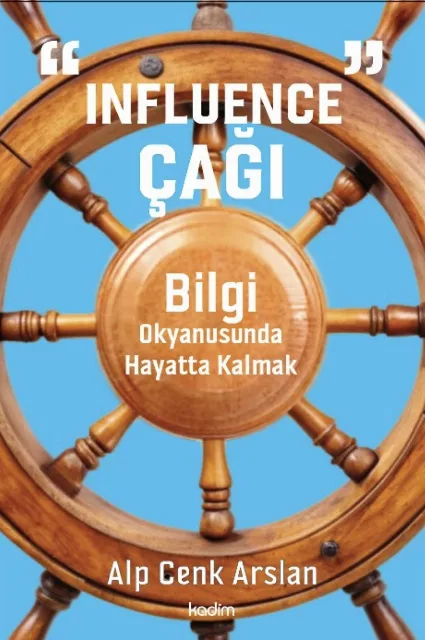
The Age of “Influence”: Surviving in an Ocean of Information
ENDERUN TANITIM HİZMETLERİ ORG. YAPIM BASIN YAYIN MEDYA TURİZM SAN. VE TİC. LTD. ŞTİ
Cultural Publications
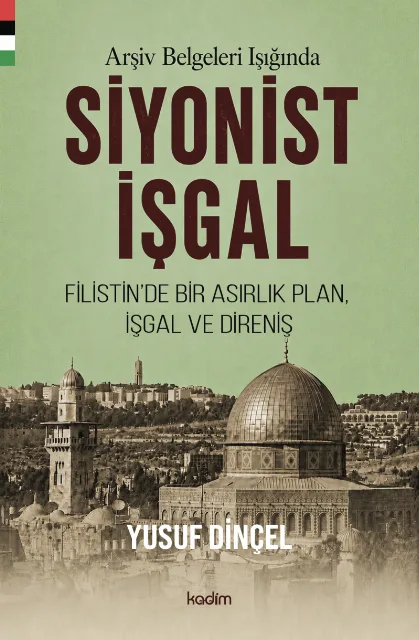
The Zionist Occupation in the Light of Archival Documents (1870–1948): A Century of Planning, Occupation, and Resistance in Palestine
ENDERUN TANITIM HİZMETLERİ ORG. YAPIM BASIN YAYIN MEDYA TURİZM SAN. VE TİC. LTD. ŞTİ

Cultural Publications
ON MY WATCH
ENDERUN TANITIM HİZMETLERİ ORG. YAPIM BASIN YAYIN MEDYA TURİZM SAN. VE TİC. LTD. ŞTİ
Cultural Publications
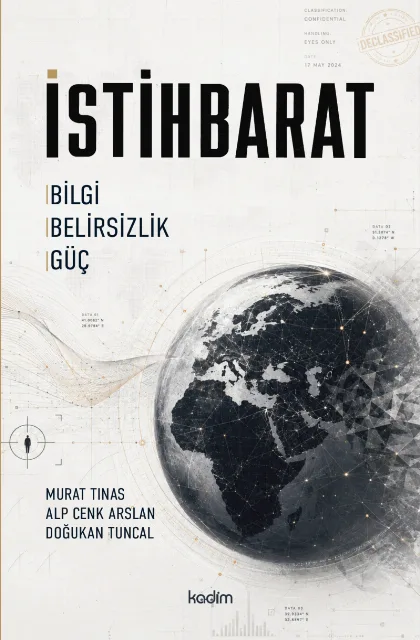
Intelligence Knowledge, Uncertainty, Power
ENDERUN TANITIM HİZMETLERİ ORG. YAPIM BASIN YAYIN MEDYA TURİZM SAN. VE TİC. LTD. ŞTİ